Introduction
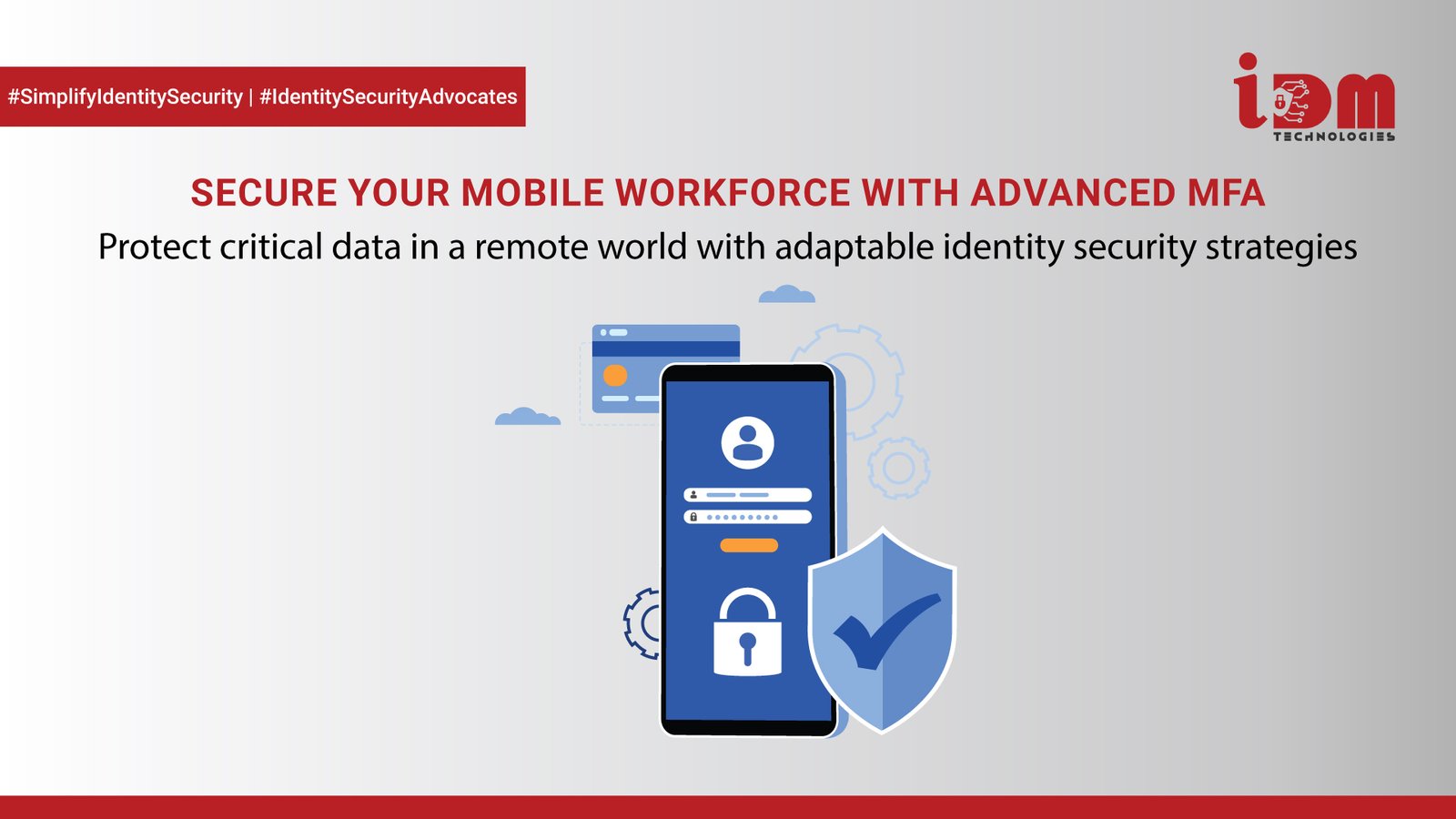
Mobile and remote work have fundamentally transformed identity security needs. As employees access sensitive data from various devices, protecting endpoints and securing mobile identities has become critical.
The Shift to Mobile and Remote Work
Remote work adoption accelerated rapidly in recent years. While offering flexibility and productivity gains, this shift introduced substantial security challenges, particularly when employees connect via personal devices on unsecured networks.
The Importance of Endpoint Protection
Endpoints are gateways to data access and thus attractive targets for cybercriminals. Protection requires deploying antivirus solutions, firewalls, and endpoint detection and response systems.
Multi-Factor Authentication
MFA is one of the most effective strategies for enhancing identity security, requiring multiple verification forms such as passwords, physical tokens, or biometric data.
Adapting Identity Security Strategies
Organizations should leverage AI and machine learning alongside behavioral biometrics to detect anomalies and continuously monitor user activity.
Fostering a Safe Work Environment
Ongoing employee training on security best practices remains one of the most effective, low-cost defenses against identity-related breaches.
Conclusion
Prioritizing MFA, endpoint protection, and adaptive security strategies is essential for organizations navigating the mobile and remote work era.
Related Articles